

ChatsuboPerfume
The defining silhouette of
PARFUM SATORI
In the Beginning
In 2002, perfumer Satori Osawa set out to create a fragrance based around Kyara, one of the most prized of all scented woods.
Kyara is said to possess the five tastes: pungent, bitter, sweet, sour, and salty.
By assigning a fragrance ingredient to each taste, an accord was created, blending multiple ingredients into a single, harmonious scent.
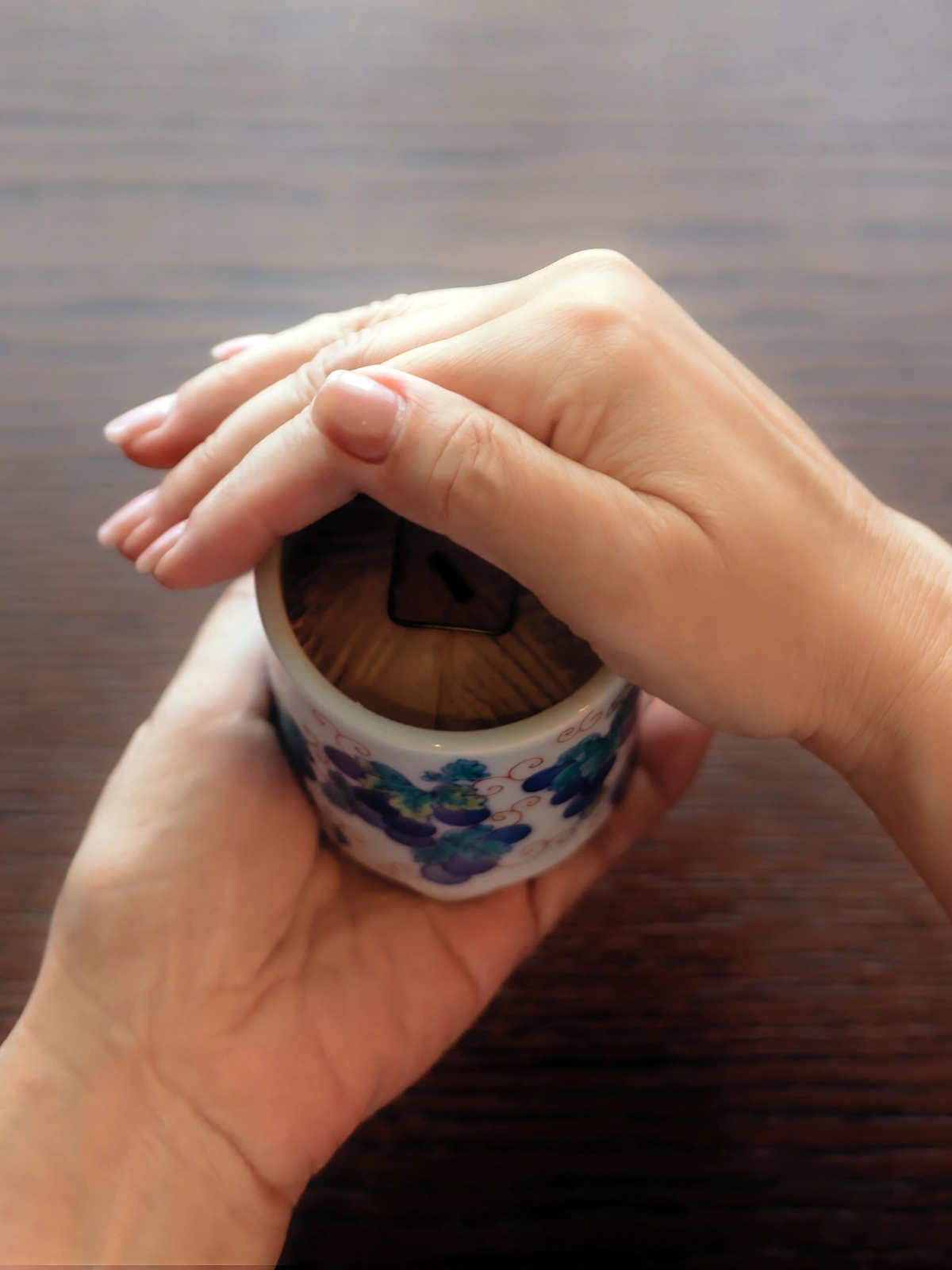
This five-taste accord was then fused with Satori’s cherished image of a Japanese tatami mat room, and Kyara was born; a fragrance that would later become known as SATORI.
Satori sought out the perfect vessel to house this scent.
What she came upon was the Chatsubo (the tea jar).
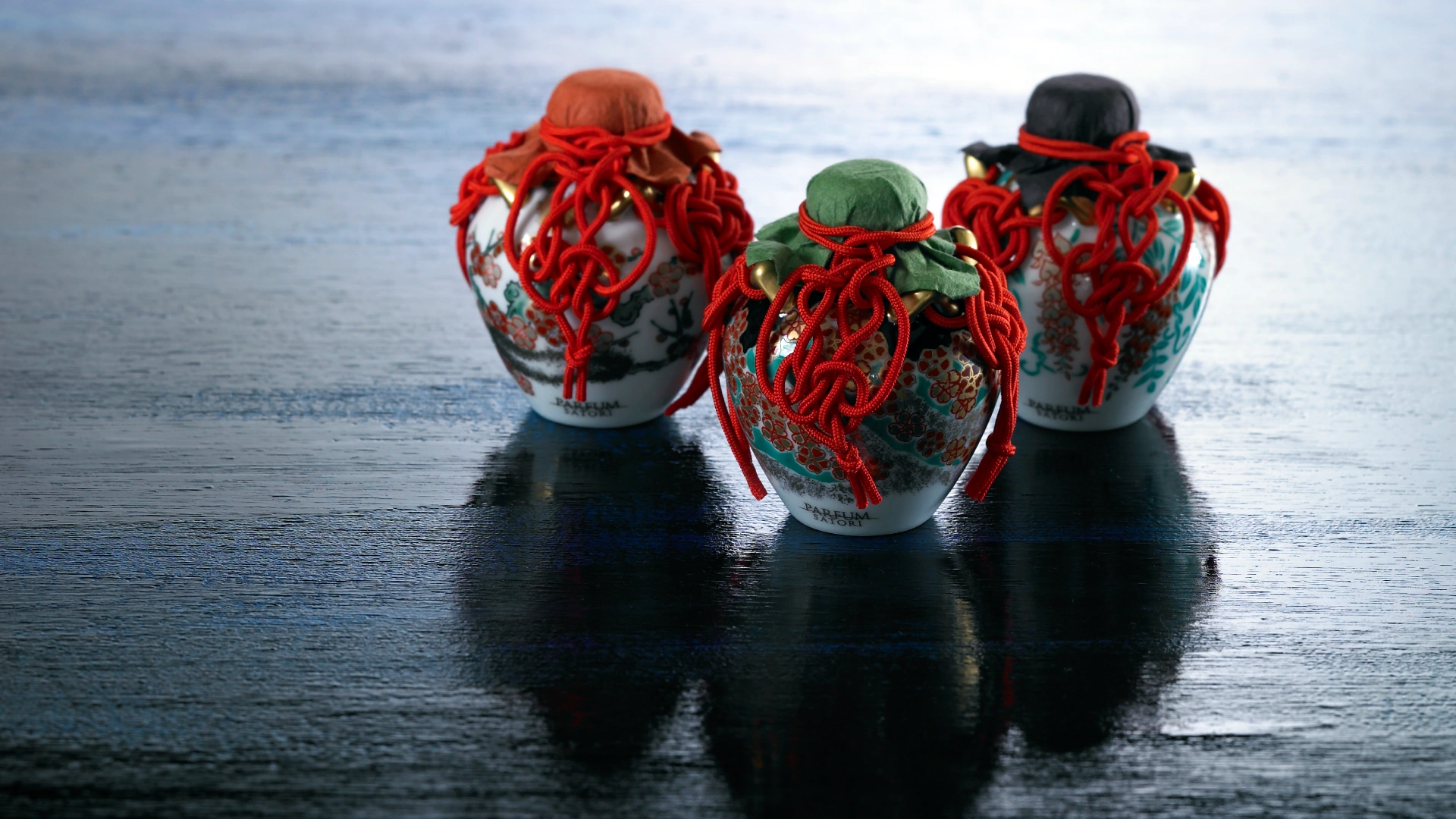
-SATORI-
The Origin of
the Fragrance
At the core of SATORI lies the imagery of a Japanese tatami room.
Soft, pure light filters through shoji paper screens. Within that light, a woman clad in a kimono walks gracefully, carrying an incense burner with both hands. She wears white tabi socks, and the sound of her footfall as she glides across the tatami accentuates the quiet of the room.
The woman stops, sits, and places the incense burner on the floor. She stands again.
The soft rustle of the garments that accompanies the woman’s movements, lingers in the air like an echo. And beyond the single wisp of fragrance that rises from the burner, our eyes follow her as she leaves.
This is the fragrant landscape of SATORI.
This landscape eventually leads to WABISUKE, a fragrance that captures the winter morning sun witnessed during an early morning tea ceremony, and further extends to the interplay of shadow and splendor found in the perfume BOTAN.

The Birth of Chatsubo
The Birth of the Cha-tsubo
The Way and Perfume
Satori Osawa has studied the Three Arts of the Way: the Way of Tea (Sadō), the Way of Flower Arranging (Kadō), and the Way of Incense (Kōdō).
These disciplines encourage you to turn inward to face yourself, and by repeating each deliberate movement, handiwork and spirit are united.
Many of the utensils that support traditional arts, such as tea-ware, flower vases, and incense burners, have been crafted by artisans.
Traditional culture, craftsmanship and monozukuri are closely interconnected.
The spirit of these disciplines and the tradition of handiwork are intertwined with our daily lives, manifesting in what we eat, what we wear, and where we live.
The fragrances of SATORI and the chatsubo that house them are an extension of this philosophy.

About the Chatsubo
New tea leaves picked in the spring are placed in the chatsubo and sealed, resting there over the summer until autumn.
In November, around the time of Ro-biraki (the opening of the tearoom hearth), the seal is broken in a ceremony known as Kuchikiri.
During this Kuchikiri tea gathering, the tea jar is decorated with cords and placed in the tokonoma alcove.
On this day, that year’s tea is served for the first time.
This season marks the New Year in the world of Chanoyu (the tea ceremony).
Satori Osawa herself began studying the Way of Tea in spring of her twelfth year.
At the time, there were no written instructions and she learned everything from her teacher—from making tea to the tying of the cords.
A Vessel that Envelops Fragrance
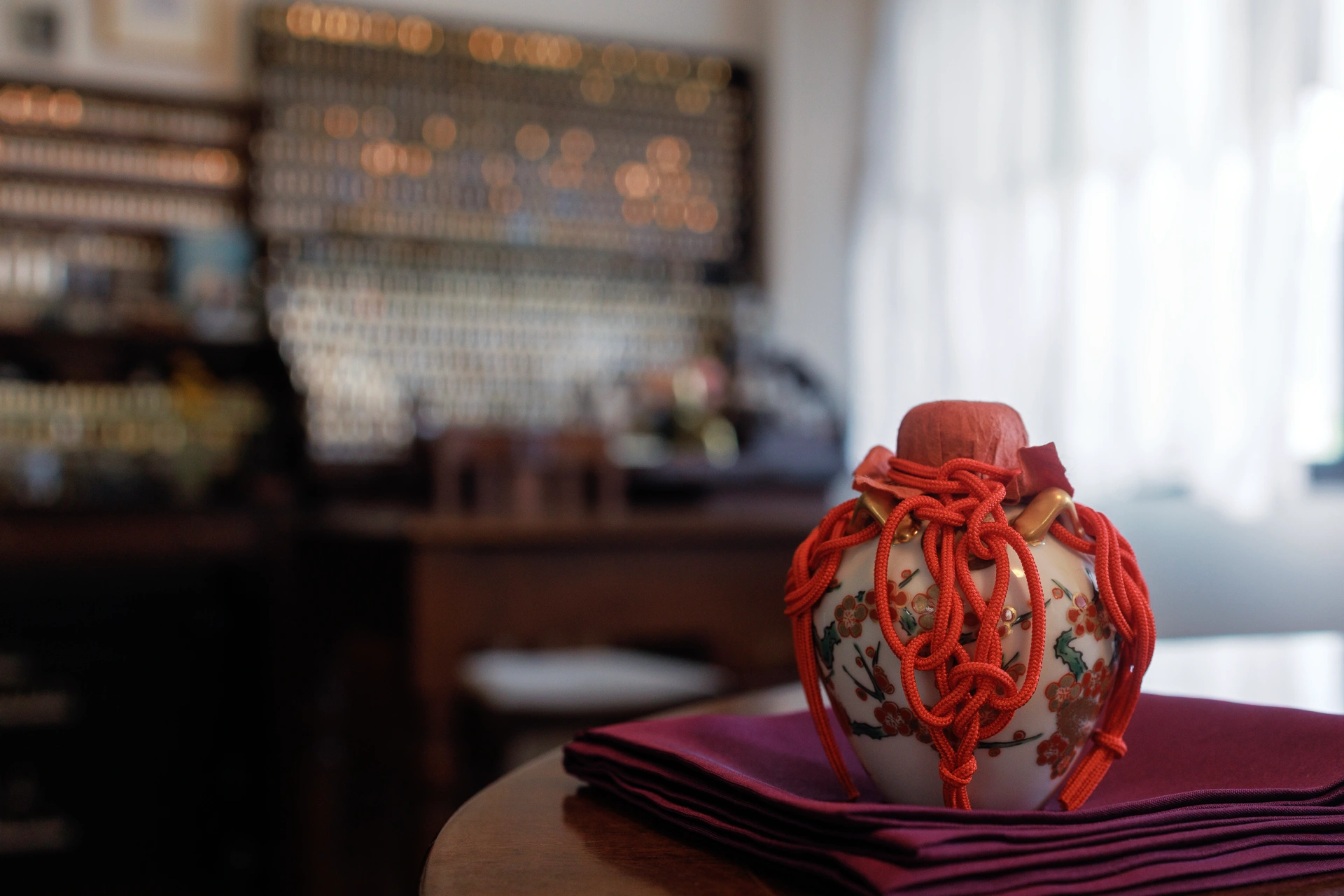
SATORI was born as a perfume encased in an Arita-ware chatsubo tea jar.
At the time, we were unable to find the right glass perfume bottle in Japan, and the decision was made to craft it instead.
The fragrance design was refined repeatedly from Kyara’s original incarnation, and underwent subtle adjustments based on the availability of the raw materials, culminating in completion in 2006.
The shape of the chatsubo was also refined through repeated improvements, arriving at its present form.
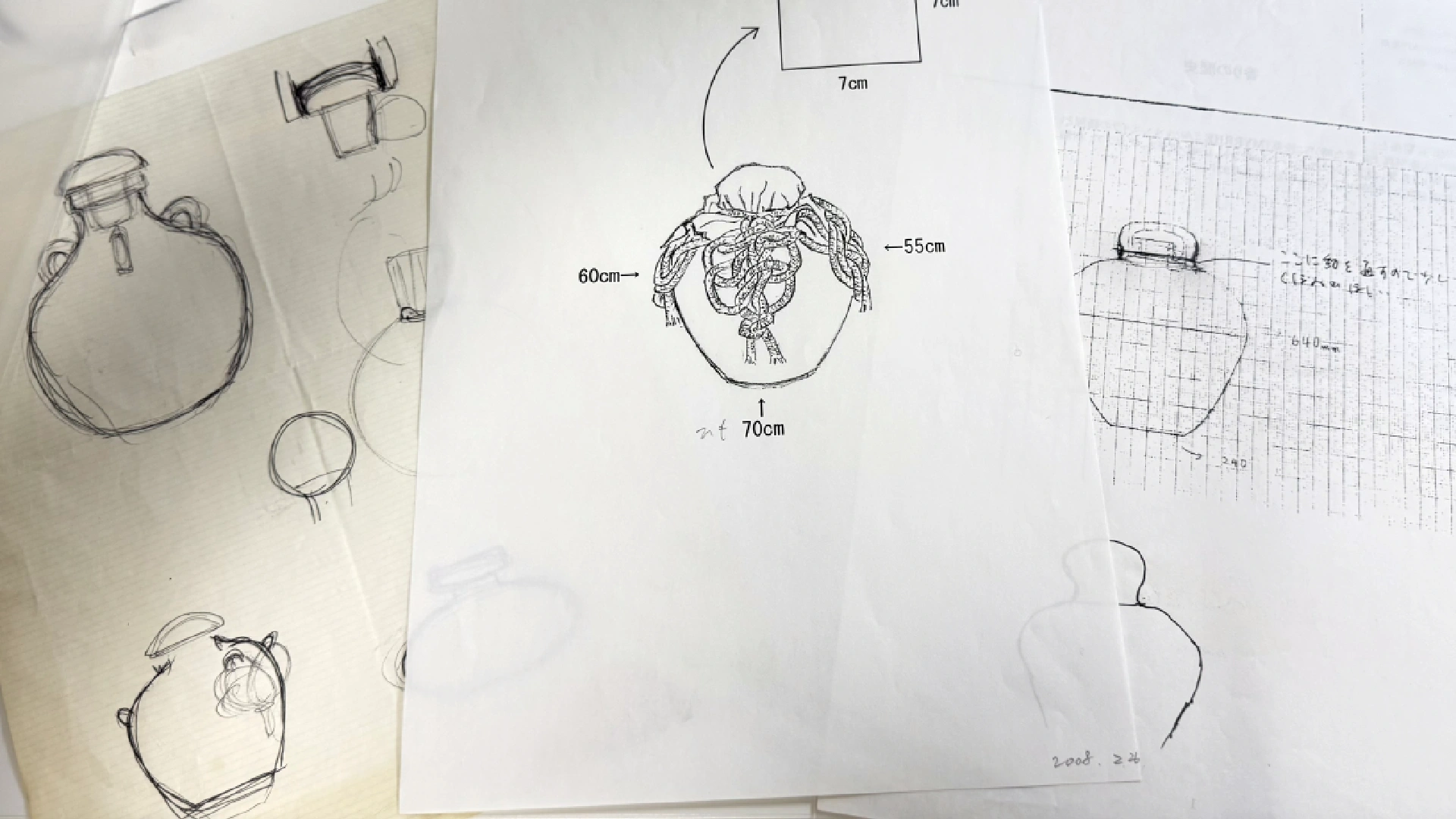

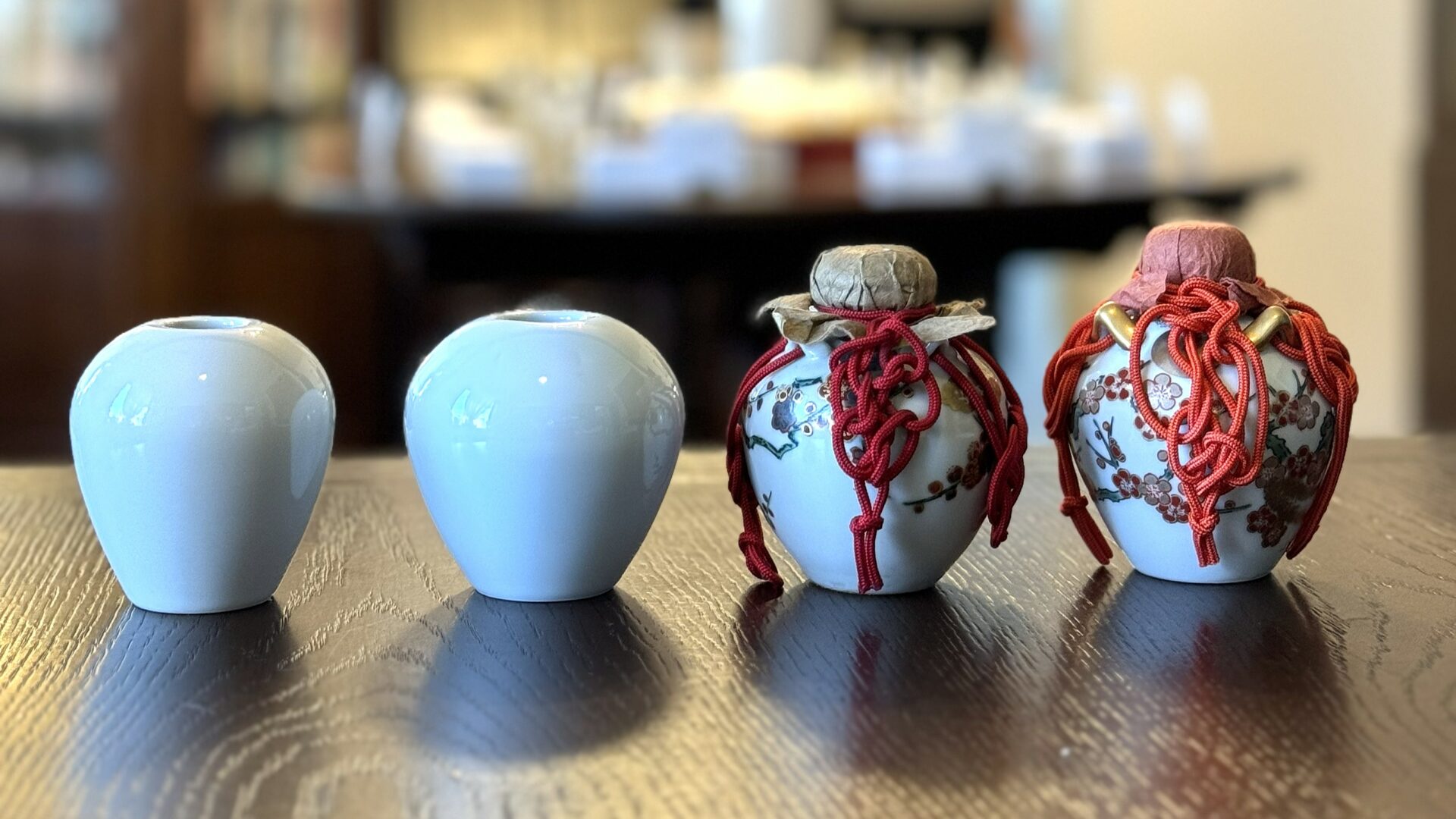
Working with Others
In the early days of PARFUM SATORI, Satori worked in a small salon where artisans and artists gathered.
“I want to house my fragrance in a chatsubo.”
This idea may have come across as somewhat outlandish. Yet, when Satori shared it, the people around her were intrigued and generously offered their knowledge and skill.
Every time she hit a wall, she followed leads, visited others, and continued to advance. Others joined her in her cause as she advanced forward.
Thanks to them, what once seemed impossible began to take shape.
The tea jar was merely a milestone along the way. We will continue to explore new forms of fragrance with people who have dedicated their lives to Japanese handiwork and craftsmanship.
Shaping the Chatsubo
The Chatsubo perfume is more than an accumulation of crafts.
The fragrance, the vessel, the cord, the fabric, and the box have each passed through the hands of master artisans, coming together to shape the Chatsubo scent.
The patterns are modeled after the polychrome-painted tea jars of the early Edo-period potter Nonomura Ninsei (designated as National Treasures and Important Cultural Properties).
The National Treasure that Satori witnessed at the MOA Museum of Art was a jar just under 30 centimeters tall. It was meant to be held in both hands. This perfume jar, on the other hand, is designed to sit in the palm of your hand.
Due to its size, the Arita artisans considered the overall balance and devised a way to hand paint patterns onto the small jar.
For the decorative cords, a Kumihimo (braided cord) artisan from Kyoto was commissioned to replicate the specific knotting style used with tea jars of the Urasenke school of tea ceremony which Satori herself had studied.
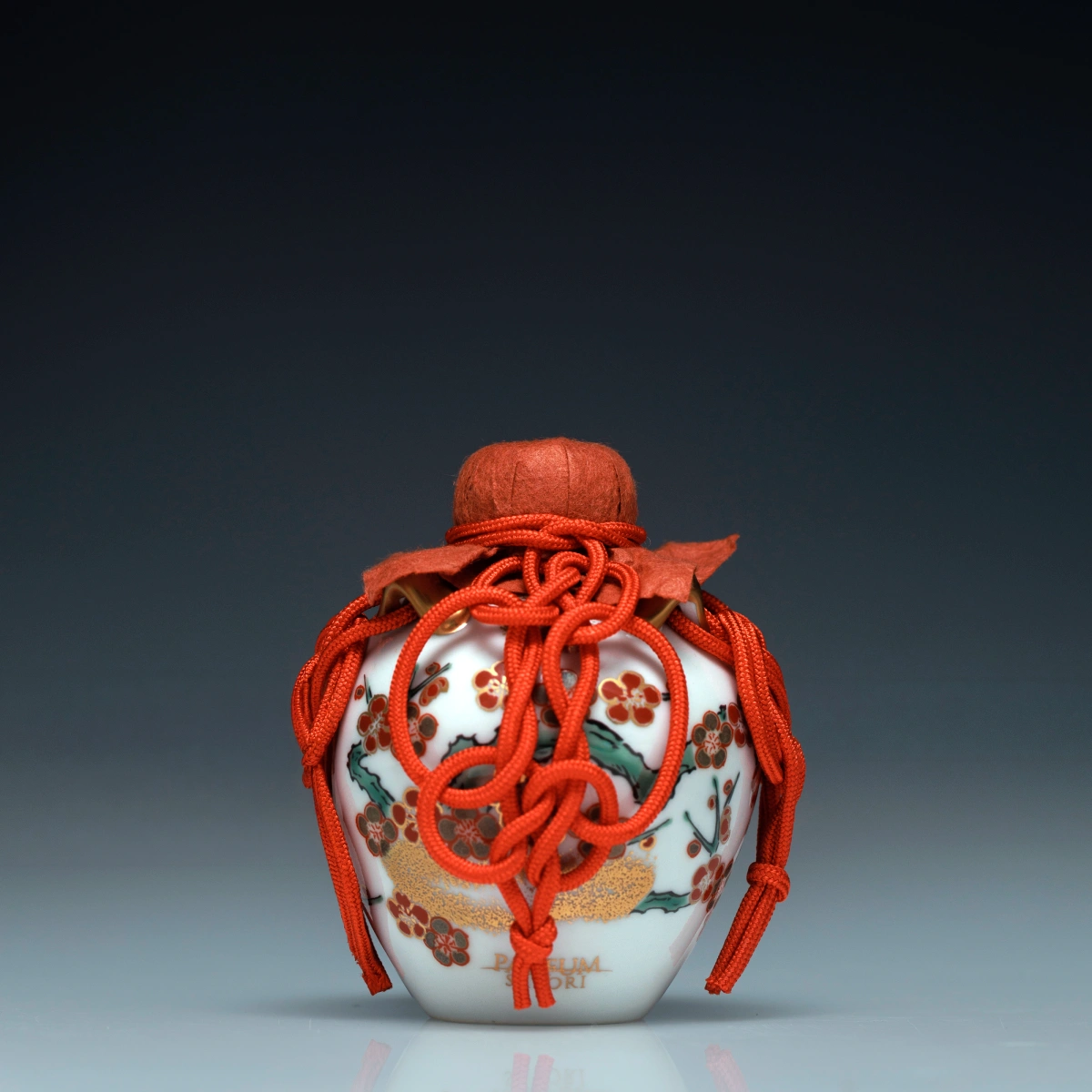
Plum (Ume)
The plum blossom, heralding spring before other flowers, has charmed people with its fragrance. Its graceful form is widely used in Japanese culture as a noble crest, kimono pattern, vessel design, and subject of paintings.
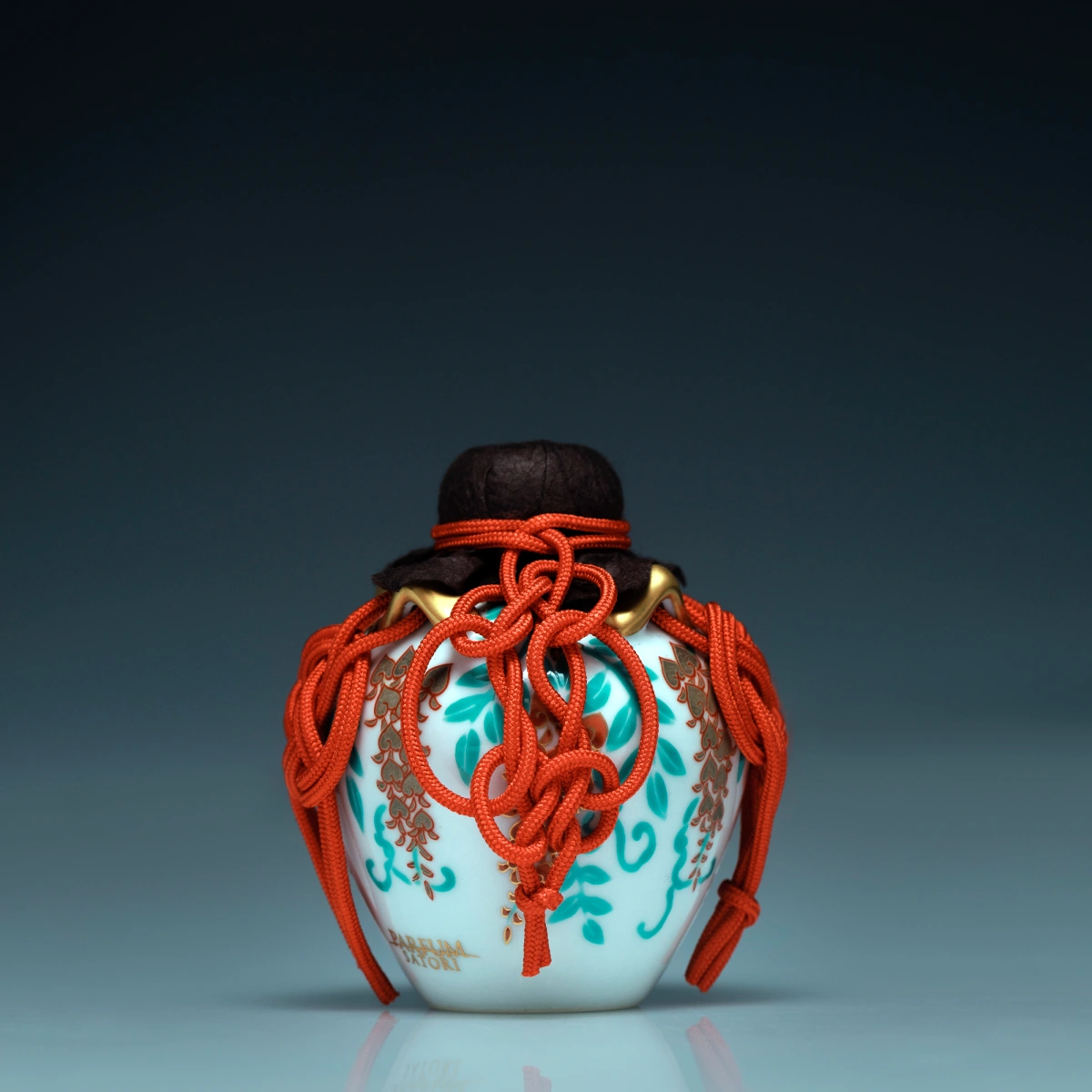
Wisteria (Fuji)
The purple wisteria is a key motif in “The Tale of Genji,” a masterpiece of Japanese literature. Set in the ancient capital a millennium ago, the wisteria represents a noble flower with hidden strength within its elegant and graceful demeanor.
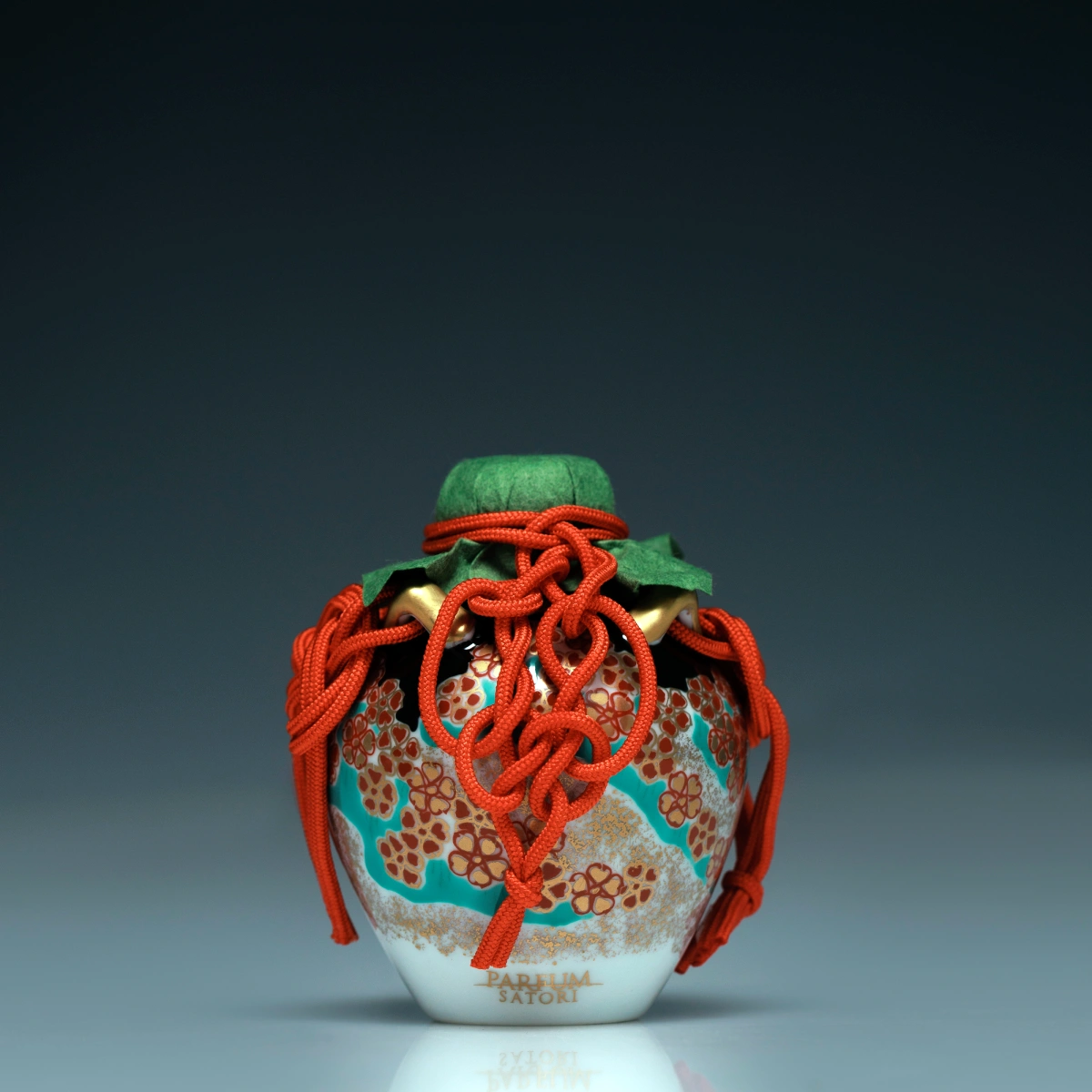
Cherry Blossom (Sakura)
Since the Manyo period in the 7th century, cherry blossoms have been loved not only for the joy of full bloom in spring but also for their beauty as they fall, making them the symbolic flower of Japan.
Storing, Wrapping, Tying
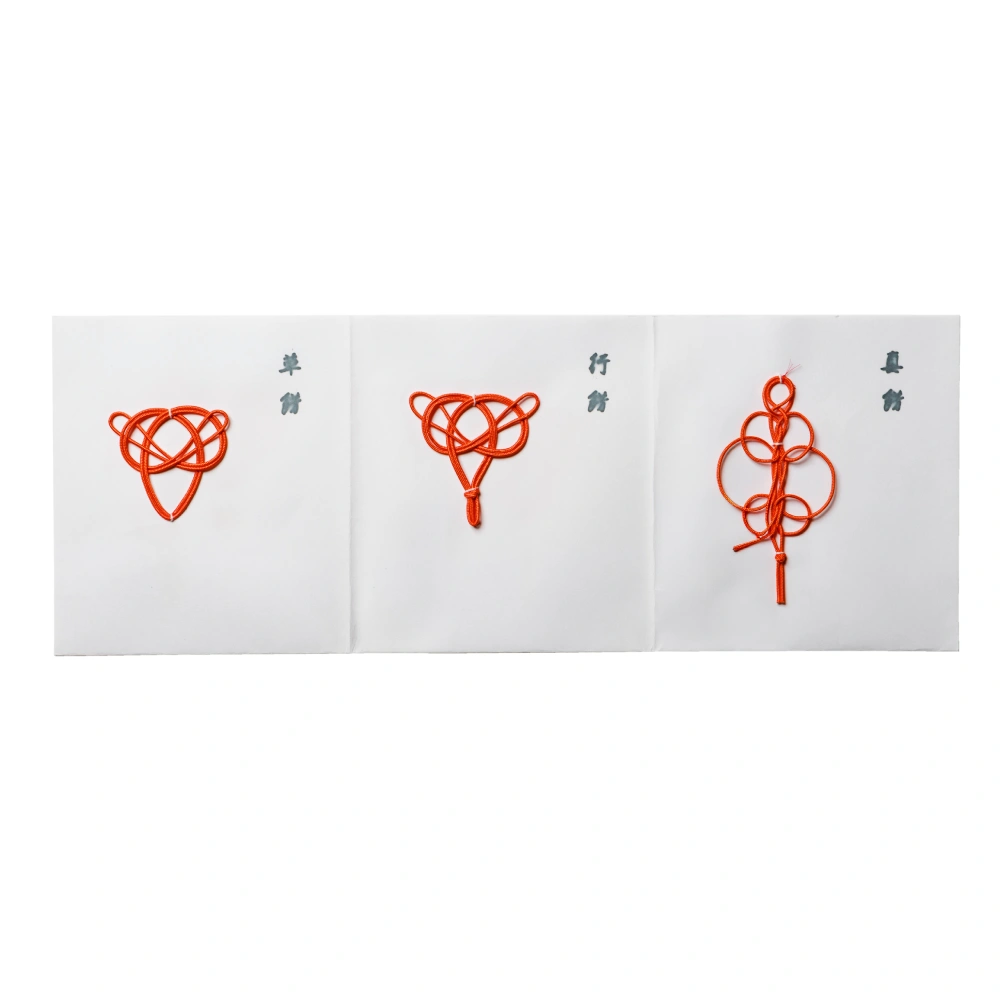
Cord Decoration
A special knotting used when displaying the chatsubo in the tokonoma alcove during a Kuchikiri tea ceremony. There are three traditional styles of binding: shin, gyō, and sō (formal, semi-formal, and informal).
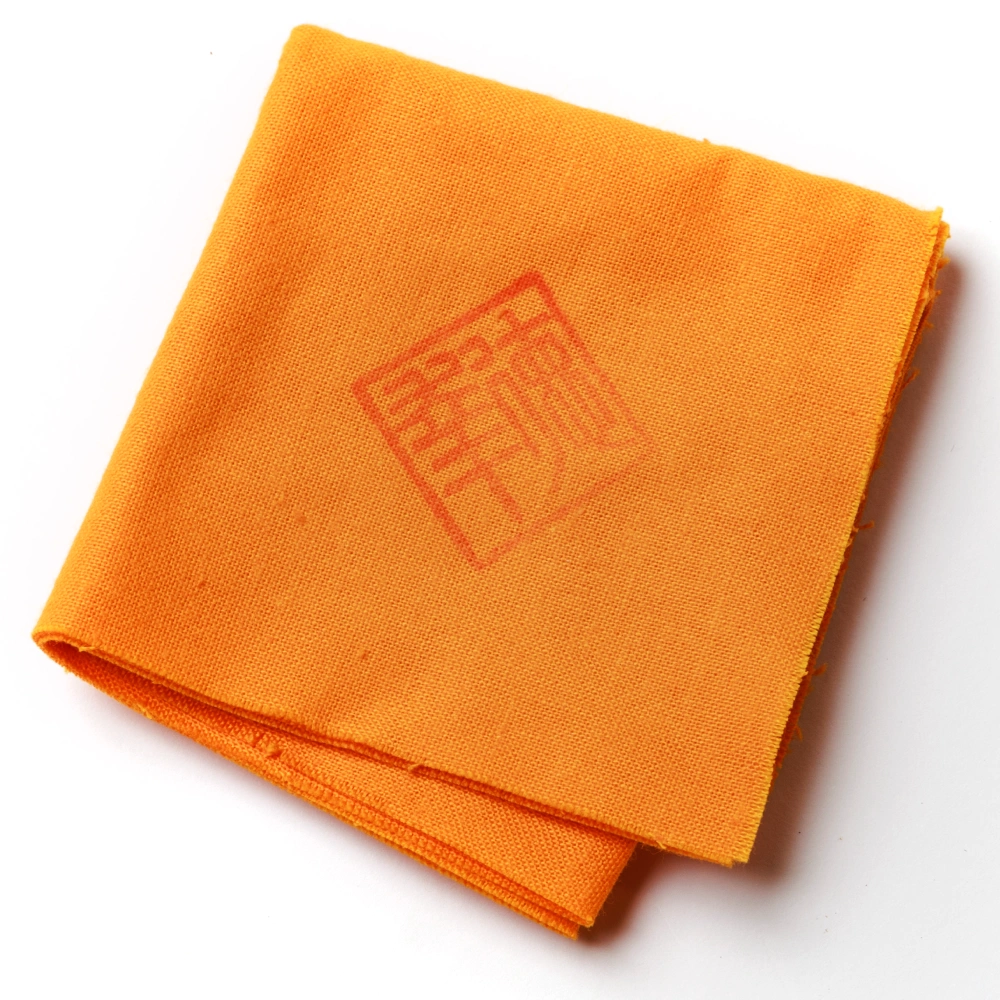
Turmeric-Dyed Cloth
A cotton fabric dyed with turmeric. It protects the vessel from scratches and stains while serving as a natural insect repellent.
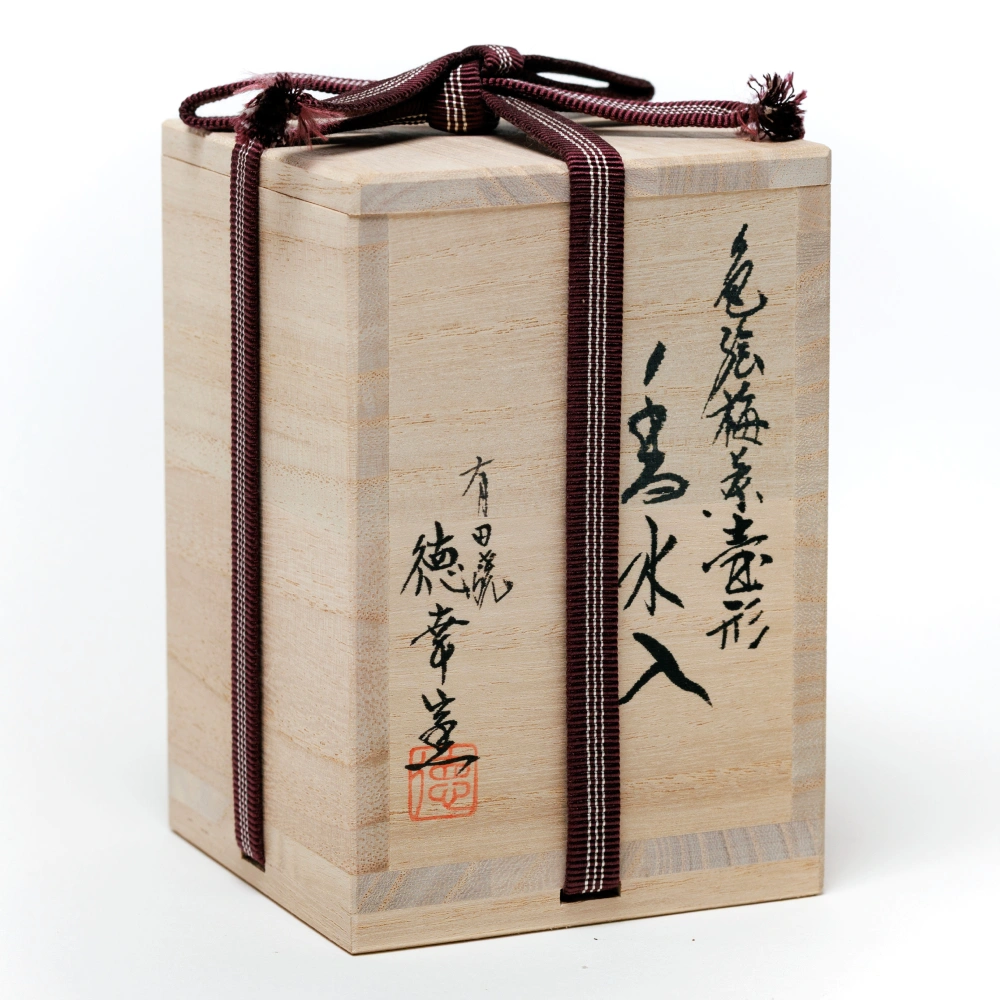
Paulownia Wood Box
A traditional box to protect and store precious tea-ware, cushioning against changes in humidity and temperature.
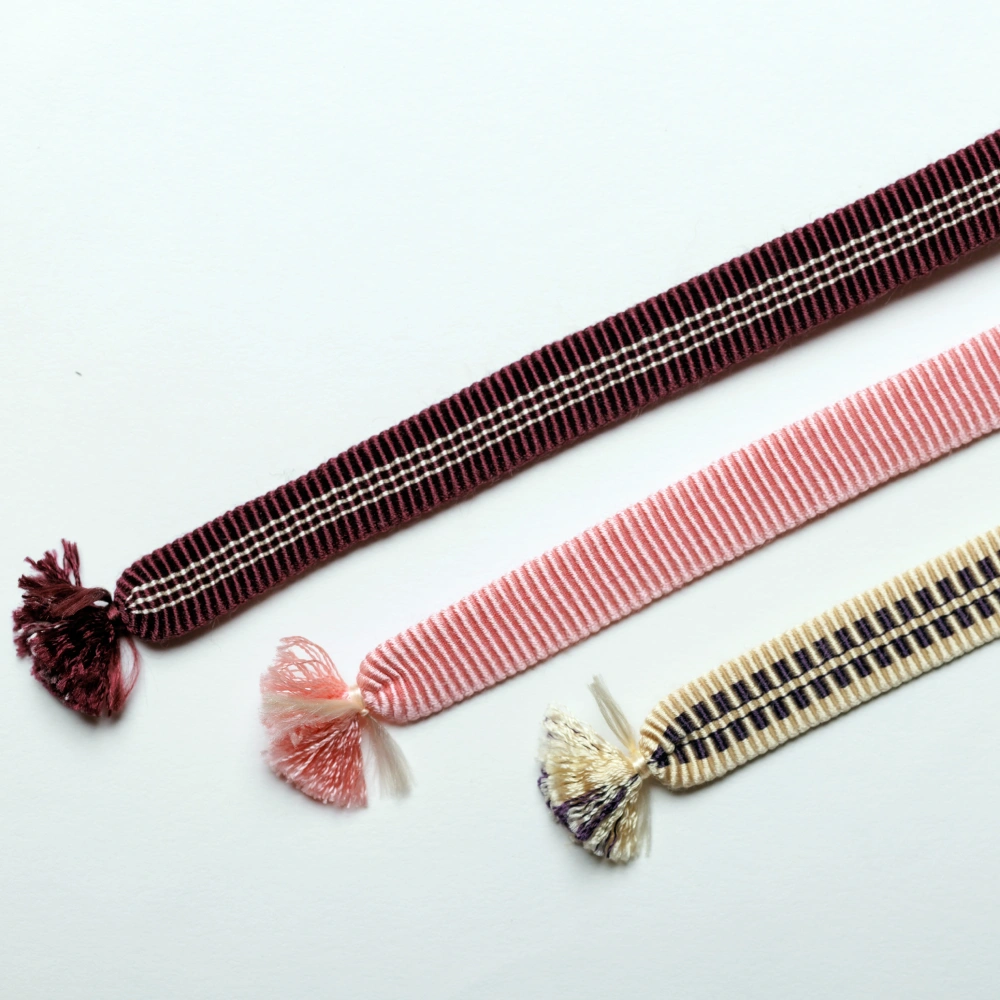
Sanada Cord
A strong, durable, flat-woven ribbon made from warp and weft threads that are resistant to stretching. Used to secure the paulownia wood boxes of tea-ware.
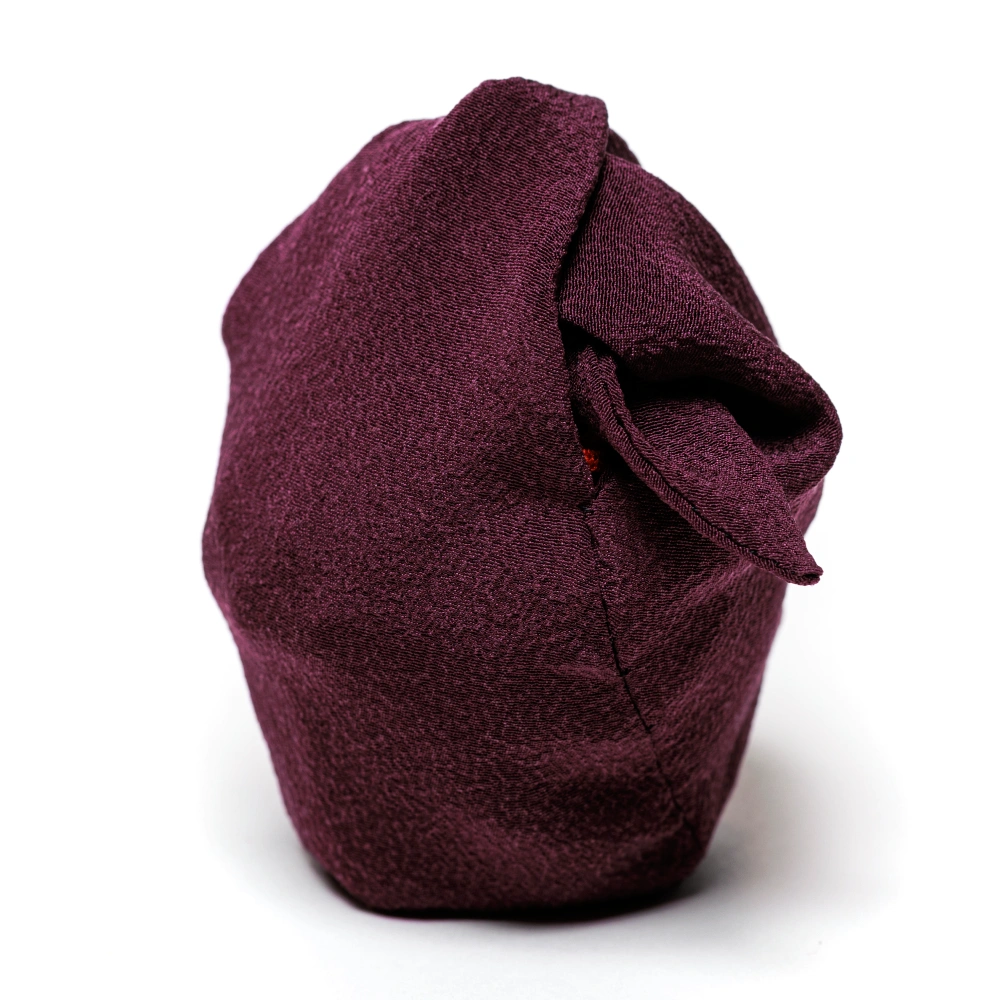
Otsu Bag
A crepe silk pouch traditionally used in tea ceremonies to wrap a Natsume tea caddy for thick (Koicha) tea making.
Curating a Scent
In the Tea Ceremony, flowers, hanging scrolls and vessels are carefully selected and arranged to create an environment that becomes one with the people, the season and the space itself.
The Chatsubo perfume is also designed to adorn such a space.
It is full of the wisdom and ingenuity nurtured through the ages in Japan.
Both the braided cords and Sanada ribbons reflect a long history of craftsmanship, based on continued use in everyday life.
I hope it will inspire you to dive deeper.
Perfume is used all around the world. We offer you a fragrance that is infused with the Japanese culture and lifestyle.
It’s like dropping a letter into a bottle and casting it out to sea.
May it endure. May it resonate. Our wish is humble, yet profound.
Video Guide
Here, you can watch videos on how to open the Chatsubo perfume, how to untie the Sanada cords, and the correct way to unwrap the package.
This process itself, before you actually discover the fragrance, is an important part of the Chatsubo perfume experience.
Using Chatsubo Perfume
About Fragrance
Fragrance Notes
The scent of Kyara, the finest agarwood, is said to possess the five tastes of pungent, bitter, sweet, sour, and salty. These five tastes are brought together with a woody accord centered on sandalwood and olibanum (frankincense), formulated to exude gentleness and warmth as a whole. It expresses the Japanese worldview symbolized by the fragrance of Kyara.
- Photographs:
- Tsutomu Takasaki, Etsu Moriyama, Aritayaki Tokkogama
- Tea jar crafted by:
- Aritayaki Tokkogama (Tokko Co., Ltd.)
- Translation:
- Lynne Hobday