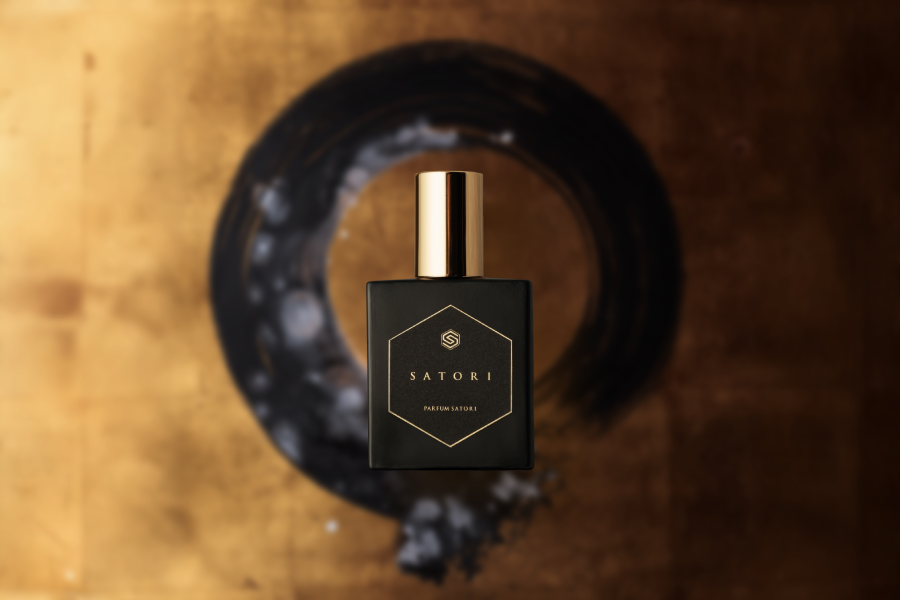
A single breath of kyara evokes the refined aesthetics of Japan.
Moss, clove, vanilla, cinnamon and sandalwood echo the five tastes of Kōdō (Japanese incense appreciation): sour, bitter, sweet, spicy, and salty.
The scent of kyara is said to possess the five tastes: spicy, bitter, sweet, sour, and salty. Spiciness is expressed through cinnamon and clove, bitterness with cacao, and sweetness with vanilla. Sourness and saltiness are subtly added
using bitter orange (bergamot) and oakmoss to deepen the shadows. These five tastes are brought together with a woody core centered on sandalwood and olibanum (frankincense), blending various ingredients to create an overall sense of gentleness and warmth. The fragrance captures the unique Japanese aesthetic of dignified silence, symbolized by the scent of kyara.
| Type | Oriental Woody |
|---|---|
| Top Notes | Bergamot, Coriander |
| Middle Notes | Cinnamon, Clove, Cacao, Vanilla |
| Last Notes | Olibanum, Sandalwood, Agarwood |

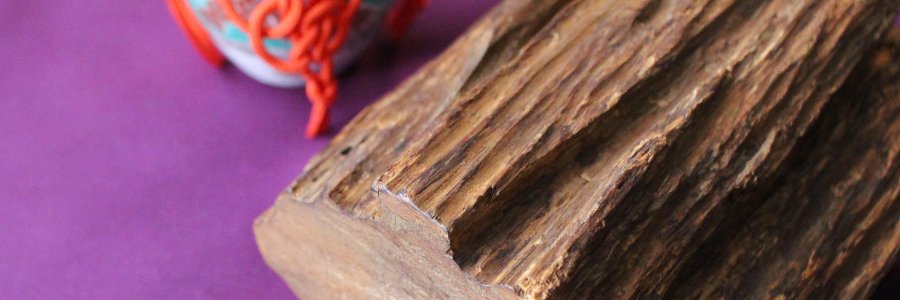
Kyara refers to the highest grade of agarwood (aloeswood) used in Kōdō (Japanese incense appreciation) and Buddhist ceremonies. Agarwood is the resinous heartwood formed by trees of the Aquilaria family (, native to Southeast Asia), as a defense mechanism against injury or infection. When heated or burned, iIt releases a unique fragrance. Agarwood is said to have been introduced to Japan along with Buddhism in the 6 th century. The Nihon Shoki (Chronicles of Japan) records that in 595 a huge piece of fragrant wood drifted ashore on Awaji Island and was presented to Empress Suiko.